How to reach Kaza
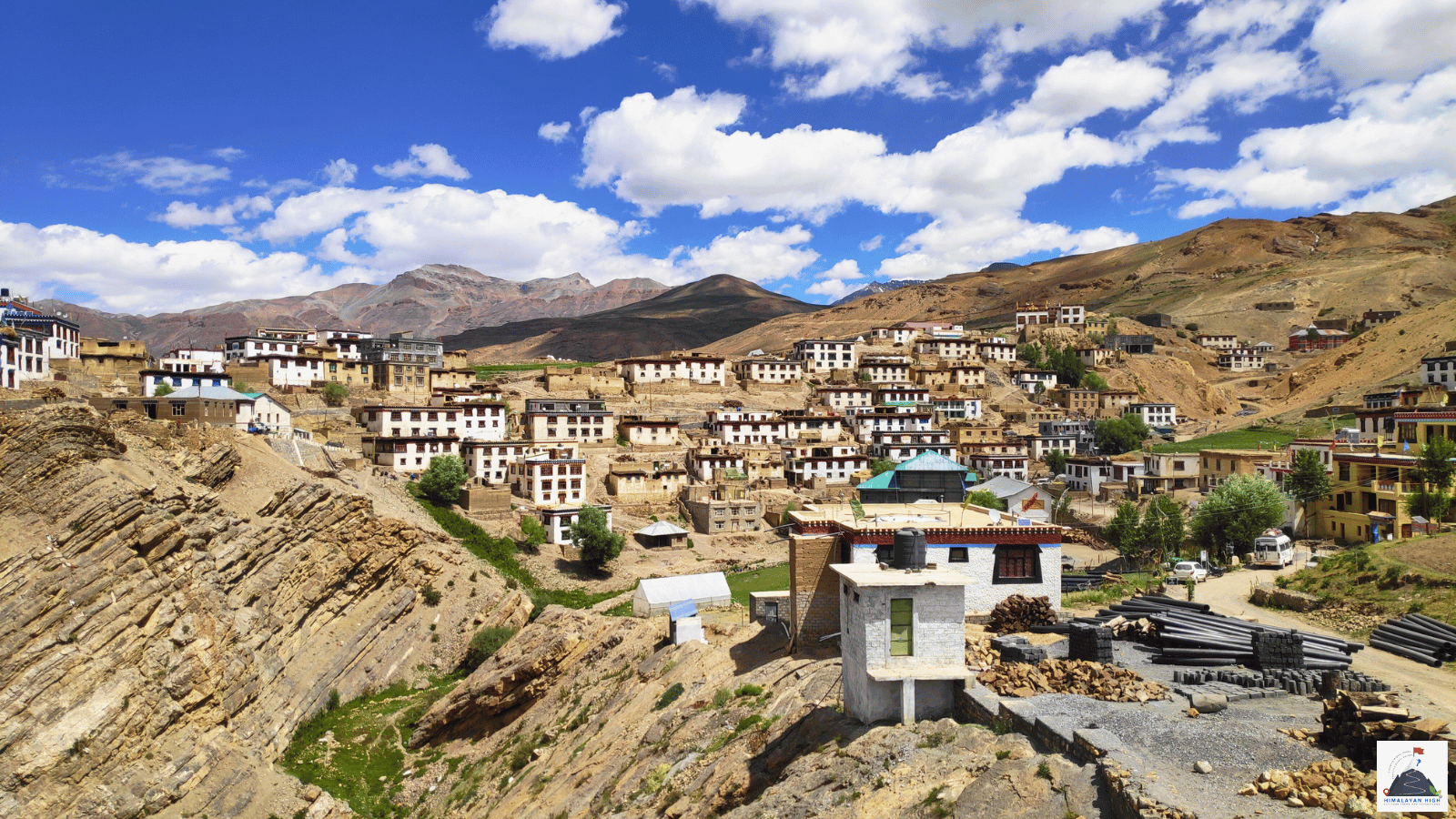
Kaza, at about 3,750 m in the Spiti valley, can only be reached by road. The Manali road over Kunzum La is usually open from late May or June to October or early November; the Kinnaur road for most of the year.
Region: Himachal - Spiti Valley
Route hubs: Manali - Atal Tunnel - Koksar - Gramphu - Chhatru - Batal - Kunzum La - Losar - Kaza
Nearest airport
Bhuntar Airport, Kullu (KUU)
245.00 km • About 11 hr
Nearest railhead
Chandigarh Junction, Chandigarh (CDG)
470.00 km • About 18 hr
From the airport
The nearest airport is Bhuntar (KUU), the Kullu–Manali airport, about 50 km south of Manali and roughly 235 to 250 km from Kaza. Alliance Air is the only airline, with a small schedule, mainly from Delhi, that changed from month to month in 2026, with some flights cancelled or rerouted, so check before you book. Taxis and buses are available at the airport and reach Manali in 1.5 to 2 hours, although flood damage on the Kullu–Manali highway can add time. Spend the night in Manali and leave for Kaza early the next morning.
Chandigarh (IXC) has far more flights and is the dependable fallback, about 470 km from Kaza by road via Manali and best split over two days. For the Kinnaur road, Shimla (SLV) airport at Jubbarhatti, 22 km from the city, has a few flights from Delhi.
From the railway station
There is no railway near Kaza. The practical railheads are Chandigarh (CDG) and Kalka (KLK), both with regular trains from Delhi. From Chandigarh, taxis and HRTC or private buses run to Manali, about 280 km and 7 to 10 hours, so from the train Kaza is a two-day journey with a night in Manali.
For the Kinnaur road, continue from Kalka to Shimla by road or on the slow narrow-gauge Kalka–Shimla railway (96 km), then follow the Kinnaur road to Kaza. Joginder Nagar, at the end of the narrow-gauge line from Pathankot, looks closer on the map, but that line reopened only briefly in 2026 before monsoon damage stopped it again, and it was still out of service at the end of September 2026, so check before relying on it.
By road
Kaza can only be reached by road, from two directions. While Kunzum La is open, usually from late May or June until snow closes it in October or early November, most trekkers come from Manali: about 185 to 200 km and 9 to 10 hours with stops. There is no fuel pump on the way, so fill up in Manali.
- Manali to Gramphu, about 45 km: up the Solang valley, through the 9 km Atal Tunnel, then east past Koksar.
- Gramphu to Batal via Chhatru, about 52 km: the slowest stretch, largely unsurfaced, with loose rock and stream crossings.
- Batal to Losar, about 29 km: fifteen hairpin bends up to Kunzum La (4,551 m), then down into Spiti.
- Losar to Kaza, about 57 km down the Spiti valley.
The other road, open for most of the year, comes from Shimla through Kinnaur: Narkanda and Rampur to Reckong Peo (about 230 km, a full day), then Khab, Nako, Sumdo and Tabo to Kaza (about 200 km, another long day), roughly 410 to 430 km in all. The gradual climb on this side helps acclimatisation. Indian citizens need only photo ID; foreign nationals need a Protected Area Permit (often called an Inner Line Permit) for the stretch beyond Jangi, obtainable in Shimla, Reckong Peo or Kaza.
By bus
From Manali, HRTC runs one or two buses a day to Kaza in season, usually from June or July to mid-October. They leave the Manali bus stand at about 5 to 5:30 am and take 10 to 12 hours; confirm the departure time at the bus stand a day ahead. Shared taxis and vans also run from Manali in season, taking about 9 to 10 hours.
On the Kinnaur side, HRTC buses link Shimla with Reckong Peo, and an early-morning bus, leaving between about 5:30 and 7 am, runs on from Reckong Peo to Kaza, a journey of 10 to 12 hours. Services are most regular from May to October; in winter there is usually one bus each way, and snow can suspend it.
Local transfers
Leaving Manali by cab at about 6:30 am, you can reach Kaza that evening, with breakfast and lunch stops (lunch at the Chacha-Chachi dhaba at Batal) and time at Chandratal and Kunzum La to help acclimatisation. If your trek starts in Kaza itself, arrive at least two days early to acclimatise. Kaza has a bank, an ATM, a post office and a fuel station. Taxis from the Kaza taxi stand reach Key Monastery (12 km), Langza (16 km), Hikkim (17 km), and Kibber and Komic (about 18 km each). In summer, HRTC buses to Kibber, and to Komic via Langza and Hikkim, leave Kaza in the late afternoon and return early the next morning.
Safety
Kaza sits at about 3,750 m, and the Manali road climbs from around 2,050 m over Kunzum La in a single day, so headaches on arrival are common; rest in Kaza before any trek. Keep at least one spare day. Early snow can shut Kunzum La for days (it closed from 6 to 14 October 2025). From July to September heavy rain brings rockfall and mudslides on the Kinnaur road, as at Maling Nala in late September 2026, and the snowmelt streams below Batal run highest in the afternoon. Check the road status locally before setting out.
Travel tips
- Plan buffer time for road delays, especially in monsoon and winter.
- Start early for long drives to avoid night stretches on mountain roads.
- Keep offline maps and cash as backup in low-network zones.
- If you are continuing to high altitude areas, acclimatize and hydrate well.