Explore This Trek In Details
Version: Standard 8D/7N
8 Days / 7 Nights Moderate+ Minimum Altitude: 1850m Maximum Altitude: 5000m Starts At: Joshimath Ends At: Joshimath
Route
Joshimath → Badrinath → Mana → Chamtoli → Laxmiban → Pandu Dhara → Sahastra Dhara → Chakrateeth → Satopanth Tal → Chaukhamba Glacier (excursion) → Chakrateeth → Sahastra Dhara → Laxmiban → Chamtoli → Mana → Joshimath
Terrain
bouldersglacial moraineloose rocksMeadows
6 Trekking Days
4 Camping | 3 Hotel | 0 Homestay Nights
48 Km Trekking Distance | 0 Km Driving Distance
Trekking avg 3.00 hrs
▲ Day 1 Arrive in JoshimathArrival Day
Arrive In Joshimath
Overnight In: Joshimath (1850m / 6070 ft )
Accommodation: Hotel
Meals Included: Evening Tea Snacks, Soup, Dinner, Dessert, Hot Drinks
Journey from Haridwar to Joshimath is a long one, but definitely not a boring one. As you swirl up, you come across the Prayags ( confluence of rivers) of Uttrakhand, coming down from the Himalayan Glaciers on the higher reaches of the Himalayan state. These rivers unite to form the mighty Ganga which flows down Haridwar to rest for India. Ganga is known as the lifeline of India, and Uttrakhand - The Dev Bhoomi ( God's Land)
The streets are colorful too !!
Travelling in mountain roads for 280 KMS can be really tiring. So take a good sleep in your hotel tonight.
- Day 1
- 555 - Rishikesh
- Day 1
- 1455 - Karn Prayag
- Day 1
- 1400 - Chamoli
- Day 1
- 1850 - Joshimath
250Km, 8 - 9hrs.▲ Day 2 From Joshimath to ManaTrek Day
From Joshimath (1850m / 6070 ft ) To Mana (3300m / 10827 ft ) Via Badrinath (3100m / 10171 ft ) - 5-6 Hrs. 3 Kms
Overnight In: Mana (3300m / 10827 ft )
Accommodation: Hotel
Meals Included: Morning Tea, Breakfast, Lunch, Evening Tea Snacks, Soup, Dinner, Dessert, Hot Drinks
After resting last night, we start our trek today. Early morning we pay our visit to the holy shrine of Badrinath. We may also chose to take a hot bath in the hot spring near the temple.
After visiting the temple, we come back for breakfast and then start our trek. We first head to the village of Mana, the last Indian village on Tibet border which is around 35 kilometers from here. In the beautiful village, we witness the confluence of the mighty Alaknanda river and Saraswati river, known as Keshav Prayag. Also located there is the Bheem Pool, which is regarded by the locals as a bridge made by huge rock thrown by Bheem, a Pandava to help Draupadi cross the mighty river.
Mana has lots of important places to visit and its important that we spend a day here to acclimatize better for our high altitude trek. We are already above 3300 meters, and spending time here will give our body the time to acclimatize better for coming days.
- Day 2
- 1850 - Joshimath
- Day 2
- 3100 - Badrinath
- Day 2
- 3300 - Mana
3Km, 5 - 6hrs.▲ Day 3 From Mana to LaxmibanTrek Day
From Mana (3300m / 10827 ft ) To Laxmiban (3756m / 12323 ft ) Via Chamtoli (3610m / 11844 ft ) - 4-5 Hrs. 9 Kms
Overnight In: Laxmiban (3756m / 12323 ft )
Accommodation: Camping
Meals Included: Morning Tea, Breakfast, Lunch, Evening Tea Snacks, Soup, Dinner, Dessert, Hot Drinks
We start our day with an easy walk up the Alakananda river towards Vasudhara falls and Chamtoli.
After some gradual climb we hear sounds of gushing water. The sound increases as we keep walking and soon the mighty 400ft tall Vasudhara Falls makes itself visible. The sound of the water hitting the rock is heard from far distance. Its an amazing feeling witnessing the fall so high..
Little climb from here, and the flat walk takes us to a beautiful meadow of Chamtoli. You might find few shepherds here or their vacant caves. From here, cris crossing few boulders, we reach our campsite marked by a small forest of slanting Bhoj Patra trees.
The surrounding views are great with sights of Alkapuri, the snout and starting point of Alaknanda river. The views will increase your heart beat here on the other side of the river. Other glaciers are also visible on the other side. On a clear weather, white peaks show themselves up here.
- Day 3
- 3300 - Mana
- Day 3
- 3610 - Chamtoli
- Day 3
- 3760 - Laxmiban
9Km, 4 - 5hrs.▲ Day 4 From Laxmiban to ChakrateethTrek Day
From Laxmiban (3756m / 12323 ft ) To Chakrateeth (4450m / 14600 ft ) Via Pandu Dhara (3993m / 13100 ft ), Sahastra Dhara (4095m / 13435 ft ) - 5-6 Hrs. 9 Kms
Overnight In: Chakrateeth (4450m / 14600 ft )
Accommodation: Camping
Meals Included: Morning Tea, Breakfast, Lunch, Evening Tea Snacks, Soup, Dinner, Dessert, Hot Drinks
The route from here gets tricky and is over boulders. Huge cairns mark the way and during a bad weather, it really makes it difficult here. Stick with you guide. Crossing the bouldery area opens out to lots of small streams flowing down.. Its the beginning od Shahastra Dhara.
The trail gets steeper from here and as we move on, grand views of Chaukhamba, Satopanth, Neelkanth, Parvati and Balakun open up making it further exciting to trek. An opening with smaller humps come up where we camp to get the best of the views for the remaining day.
On a clear weather, enjoy the great views of Mt. Neelkanth, Mt. Chaukhamba and Mt. Balakun from here.
- Day 4
- 3760 - Laxmiban
- Day 4
- 3995 - Pandu Dhara
- Day 4
- 4095 - Sahastra Dhara
- Day 4
- 4450 - Chakrateeth
9Km, 5 - 6hrs.▲ Day 5 From Chakrateeth to Satopanth TalTrek Day
From Chakrateeth (4450m / 14600 ft ) To Satopanth Tal (4600m / 15092 ft ). Excursion To Chaukhamba Glacier (5000m / 16404 ft ) And Return To Satopanth Tal (4600m / 15092 ft ) - 3 Hrs. 5 Kms
Overnight In: Satopanth Tal (4600m / 15092 ft )
Accommodation: Camping
Meals Included: Morning Tea, Breakfast, Lunch, Evening Tea Snacks, Soup, Dinner, Dessert, Hot Drinks
Today we will be witnessing the serenity of the pious Satopanth Taal. Today's route is difficult with steep climb over glacial moraine. We stick together with our trusted guide and some serious trek of around 2 .5 hours gives us the glimpse of the beautiful lake surrounded all round by mighty and mesmerizing peaks of Neelkanth, Satopanth, Chaukhamba, Swargarohini and Balakun.
We worship the equilateral triangular lake and spend some good time seeping in the view and clicking photographs for the rest of the day. We specially camp here to see the magic of sunset and sunrise with the lake surrounded by giant snow cladded peaks.
- Day 5
- 4450 - Chakrateeth
- Day 5
- 4600 - Satopanth Tal
- Day 5
- 5000 - Chaukhamba Glacier
- Day 5
- 4600 - Satopanth Tal
5Km, 3hrs.▲ Day 6 From Satopanth Tal to LaxmibanTrek Day
From Satopanth Tal (4600m / 15092 ft ) To Laxmiban (3756m / 12323 ft ) Via Chakrateeth (4450m / 14600 ft ), Sahastra Dhara (4119m / 13514 ft ) - 5-6 Hrs. 10 Kms
Overnight In: Laxmiban (3756m / 12323 ft )
Accommodation: Camping
Meals Included: Morning Tea, Breakfast, Lunch, Evening Tea Snacks, Soup, Dinner, Dessert, Hot Drinks
After satisfying views of the place, today we make our journey backwards. We retrace our track till Laxmiban.
- Day 6
- 4600 - Satopanth Tal
- Day 6
- 4450 - Chakrateeth
- Day 6
- 4120 - Sahastra Dhara
- Day 6
- 3760 - Laxmiban
10Km, 5 - 6hrs.▲ Day 7 From Laxmiban to JoshimathTrek Day
From Laxmiban (3756m / 12323 ft ) To Joshimath (1900m / 6234 ft ) Via Chamtoli (3610m / 11844 ft ), Mana (3300m / 10827 ft ) - 4-5 Hrs. 12 Kms
Overnight In: Joshimath (1900m / 6234 ft )
Accommodation: Hotel
Meals Included: Morning Tea, Breakfast, Lunch, Evening Tea Snacks, Soup, Dinner, Dessert, Hot Drinks
We retrace our track today and reach Badrinath. If we want, we may spare some time to take hot bath in Tapta Kund to relax ourselves.
Post lunch, we head back for Joshimath
- Day 7
- 3760 - Laxmiban
- Day 7
- 3610 - Chamtoli
- Day 7
- 3300 - Mana
- Day 7
- 1900 - Joshimath
12Km, 4 - 5hrs.▲ Day 8 Departure and onward journeyDeparture Day
Departure and onward journey
Cost Of Transport Included: NO
Early morning, we board our cab to return to Haridwar/ Rishikesh.
- Day 8
- 1900 - Joshimath
- Day 8
- 555 - Rishikesh
9 - 10hrs.
Other Customizable Variations of the Satopanth Tal Trek
We are not limited to just these options. These are simply some of the most commonly requested and well planned customizations.
If you have a different requirement, talk to us.
We only organize lesser done, uncrowded, customizable and personalized, small-group private trekking tours in the Himalayas with full safety protocol in place. All customizations will be guided by this principle only.
Swipe →
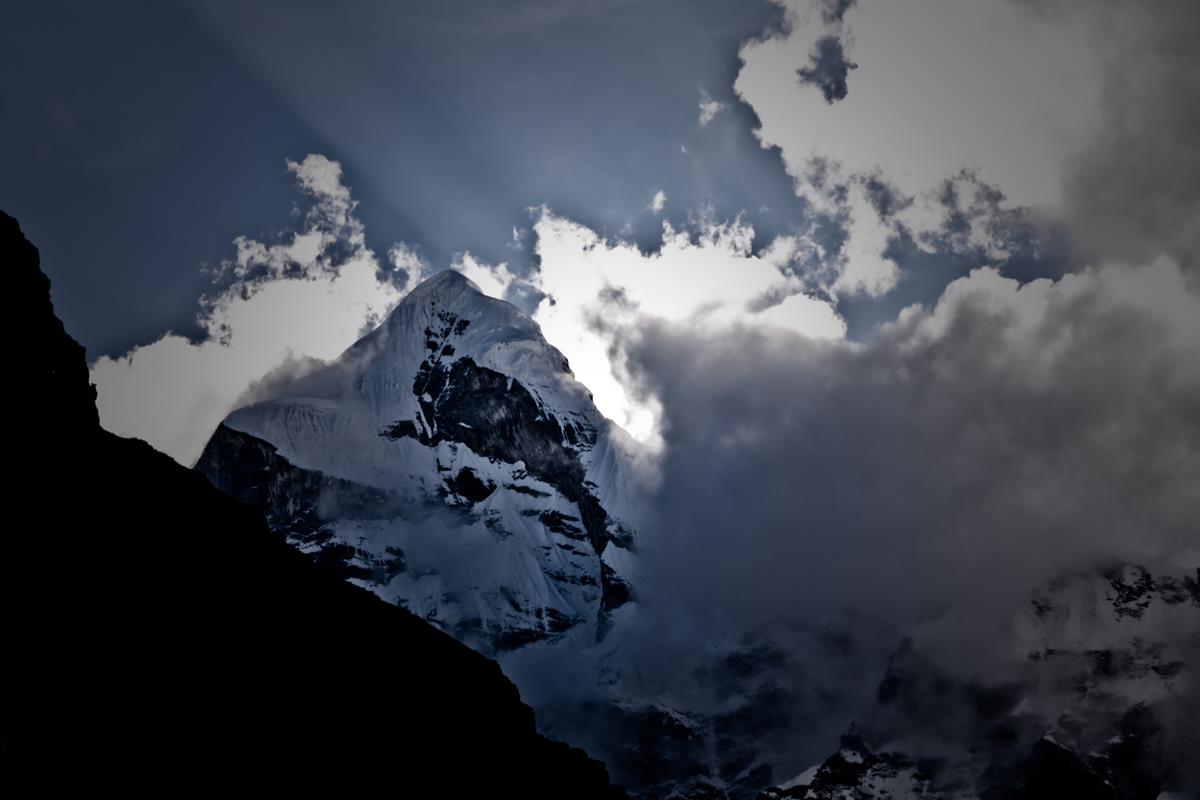
Satopanth Tal Trek - A Detailed Overview
The Satopanth Tal Trek is a journey steeped in mythology and natural beauty. This trek is not just an adventure, but also a spiritual journey that holds a special significance for Hindus.
Mythological Significance
- The route is believed to have been used by the Pandavas to ascend to heaven, adding a layer of mythological intrigue to the trek.
- Satopanth Tal, a triangular lake at the base of the Satopanth peak, is considered sacred. It is believed that the Tridevs - Brahma, Vishnu, and Mahesh - bathe here on the 11th day of the Hindu calendar. A small home built near the lake is inhabited by a Sadhu known as Mouni Baba (Silent Baba).
Scenic Beauty
- The trek offers breathtaking views of several Himalayan peaks including Chaukhamba, Satopanth, Neelkanth, Parvati, and Balakun.
- The trek route includes the mesmerizing sounds of the Vasudhara falls, which echo long after you’ve passed them.
- Despite being a short-distance trek, it is high-altitude, making it a challenging yet rewarding experience.
Preparation and Precautions
- Due to the high altitude, it’s advisable to climb slowly to allow for proper acclimatization and descend quickly.
- The weather can be unpredictable, often worsening after noon, so it’s important to start early and be prepared for sudden changes.
Post-Trek Relaxation
- After the trek, a hot bath in the Tapta Kund hot springs in Badrinath is a must-do for relaxation.
- Spending a night in a stone cave adds a unique element to this trek, making it an experience to remember.
In conclusion, the Satopanth Tal Trek is more than just a trek; it’s a spiritual journey through some of the most beautiful landscapes of the Himalayas. With its mix of mythological significance, natural beauty, and adventure, it promises an unforgettable experience for every trekker
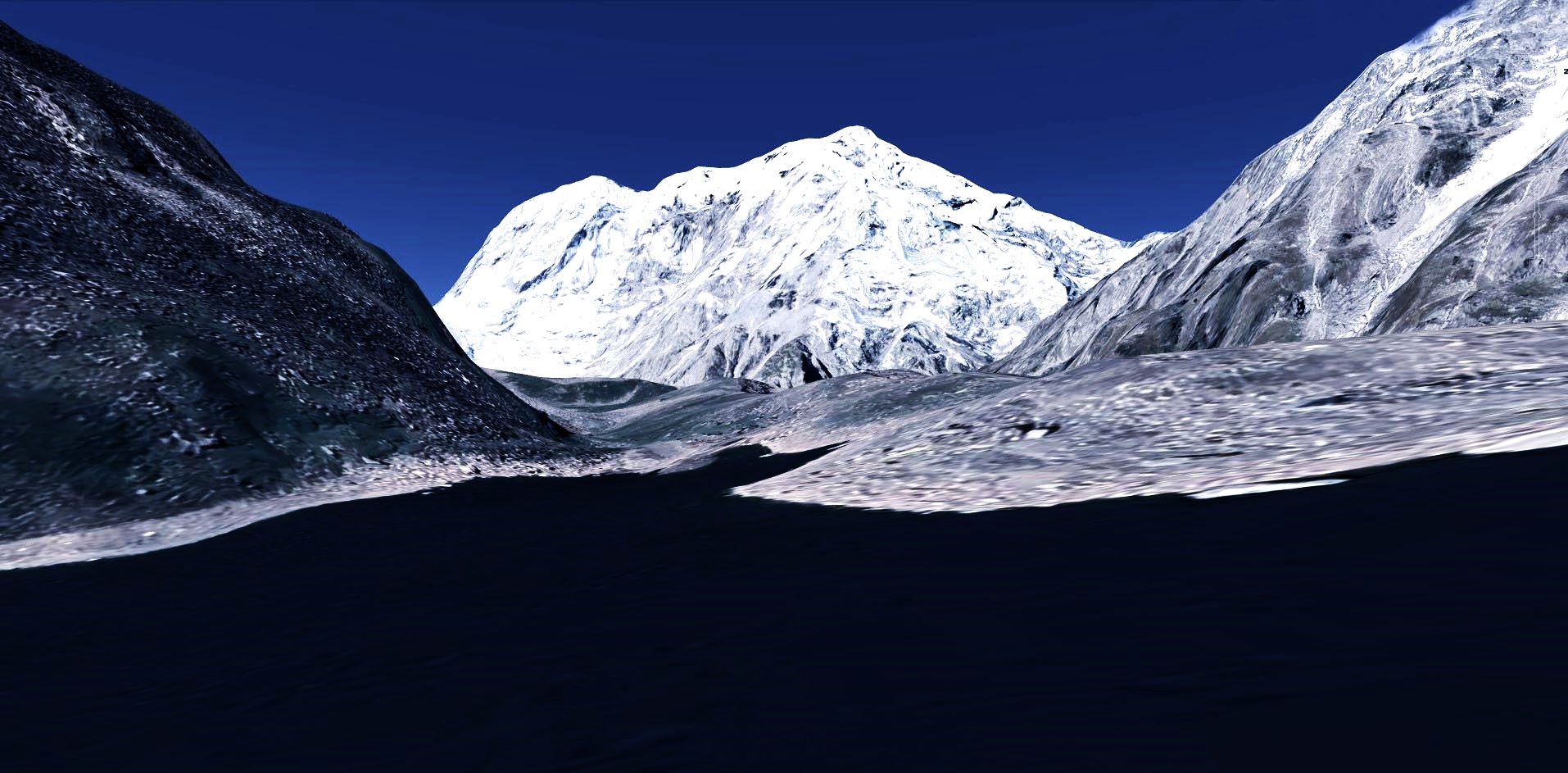
Top Reasons to Choose the Satopanth Tal Trek
-
The Pious and Serene Satopanth Tal: Satopanth Tal, located at the base of the Satopanth peak, is a serene lake considered sacred by Hindus. It is believed that the Tridevs of Hinduism - Brahma, Vishnu, and Mahesh - bathe in this lake, adding a layer of spiritual significance to the trek.
-
Close View of Giant Peaks: The trek offers close views of several majestic peaks including Chaukhamba, Satopanth, Neelkanth, Parvati, and Balakun. These towering peaks add a sense of awe and grandeur to the trekking experience.
-
The Border Village of Mana: Mana, the last Indian village on the Tibet border, is a significant stop on this trek. The confluence of the Saraswati river and Alaknanda river near Mana is a sight to behold.
-
Alkapuri Glacier and Vasudhara Falls: The Alkapuri glacier, the source of the Alaknanda river, and the Vasudhara falls are other notable attractions on this trek. Their natural beauty enhances the overall trekking experience.
-
Mythological Story of the Pandavas: The trek is steeped in mythology, with stories of the Pandavas attaining heaven from Swargarohini. This adds a unique mythological dimension to the trek.
-
Hot Water Bath at Tapta Kund: After the trek, trekkers can relax with a hot water bath in the hot springs of Tapta Kund in Badrinath. This is a perfect way to unwind and rejuvenate after the challenging trek.
-
Night in Stone Caves: If you’re up for it, you can spend a night in a stone cave for a unique and rustic experience.
Each of these elements contributes to making the Satopanth Tal Trek a truly unforgettable adventure. Whether it’s the spiritual significance of Satopanth Tal, the awe-inspiring views of the Himalayan peaks, the cultural richness of Mana village, or the thrill of spending a night in a stone cave, there’s something for every trekker to enjoy.
Altitude and Acclimatization Profile For The Satopanth Tal Trek
- Day 1
- D1Rishikesh
- Day 1
- Karn Prayag
- Day 1
- Chamoli
- Day 2
- D2Joshimath
- Day 2
- Badrinath
- Day 3
- D3Mana
- Day 3
- Chamtoli
- Day 4
- D4Laxmiban
- Day 4
- Pandu Dhara
- Day 4
- Sahastra Dhara
- Day 5
- D5Chakrateeth
- Day 5
- Satopanth Tal
- Day 5
- Chaukhamba Glacier
- Day 6
- D6Satopanth Tal
- Day 6
- Chakrateeth
- Day 6
- Sahastra Dhara
- Day 7
- D7Laxmiban
- Day 7
- Chamtoli
- Day 7
- Mana
- Day 8
- D8Joshimath
- Day 9
- Rishikesh
Frequently Asked Questions
What is the best time to do the Satopanth Tal Trek?
Best months: May, Jun, Sep, Oct
Is mobile network available on the Satopanth Tal Trek?
Quick answer: BSNL, Vodafone, Airtel 4g till Joshimath
Is internet available on the Satopanth Tal Trek?
Quick answer: 4G till Joshimath
What type of trek is this?
Return Type Trek
In this type of trek, the entry point and exit point is same. You trek to a particular destination and return back to the same point
What is the accommodation type on this trek?
Camping
Camping treks are those where nights are spent in tents pitched at designated campsites. Camps are chosen for safety and practicality (stable ground, water availability, weather exposure, and minimal ecological impact). This style offers the most raw mountain experience and flexible route planning, but comfort depends on terrain and conditions.
What kind of toilet facilities can I expect on this trek?
Toilet tents are used at campsites (dry-pit / cat-hole system as per terrain and local regulations). Some camps may have basic fixed toilets near village camps, but do not expect permanent facilities.
How is food served during the trek?
Fresh meals are cooked by the trek staff at camp. Food is served hot in a common dining setup (dining tent or open area). Meals are generally simple, nutritious, and high-energy; menu depends on package and logistics.
How is human waste managed on this trek?
Human waste is handled using toilet tents and designated pits/cat-holes at safe distance from water sources. Sites are selected and managed to reduce contamination; toilet paper and hygiene waste are carried out where feasible or disposed as per local guidelines.
How is food waste managed on this trek?
Food waste is minimized through planned portions. Biodegradable waste is disposed responsibly away from water sources or carried down where required. Leftovers are avoided; nothing is dumped into streams.
How is plastic waste handled on this trek?
Plastic waste is segregated and carried back to the roadhead for proper disposal. Trekkers are encouraged to use refillable bottles; single-use plastics are discouraged/controlled.
How do you follow Leave No Trace principles on this trek?
Camps are left cleaner than found. Waste is segregated and carried out, trails are respected, water sources are protected, and noise is kept low. No littering, no washing with soap near streams, and no disturbance to wildlife or local culture.
What type of terrain can I expect on the Satopanth Tal Trek?
Meadows, glacial moraine, loose rocks, boulders
Is cloakroom / luggage storage available for the Satopanth Tal Trek?
Yes. Basic luggage storage is available.
Please note that this is not a secured locker facility.
Do not leave valuables, cash, jewelry, fragile items, or important documents.
Luggage is usually kept on a trust basis at the same hotel, homestay, or with known local contacts where we stay before and after the trek.
What kind of food is served on the Satopanth Tal Trek?
Indian, Garhwali, Nepali
We serve a mix of continental-style trek meals as well as simple, freshly cooked home-style food.
The exact menu and style of meals may vary depending on the trek itinerary, region, and the package you are booked on.
Meal inclusions typically cover:
- Breakfast, Lunch, and Dinner (BLD)
- Two tea breaks daily (morning and evening)
- Soup in the evening
- Fresh salads where feasible
- Dessert on select days
- Hot night beverage / tonic before sleeping
Please note that detailed, day-wise meal information is mentioned in the respective day’s itinerary wherever applicable.
Where does the Satopanth Tal Trek start?
Where does the Satopanth Tal Trek end?
What is the grade / difficulty of the Satopanth Tal Trek?
Moderate+
This type of treks are bit more demanding than the moderate ones. It might involve few days of very long walks at higher altitude, or serious gradients, exposures, more remote or involves sleeping at higher altitudes for more days.
What is the duration of the Satopanth Tal Trek?
8 days / 7 nights Rishikesh to Rishikesh
Thursday, June 11, 2026 2:43:39 PM