How to reach Gangtok
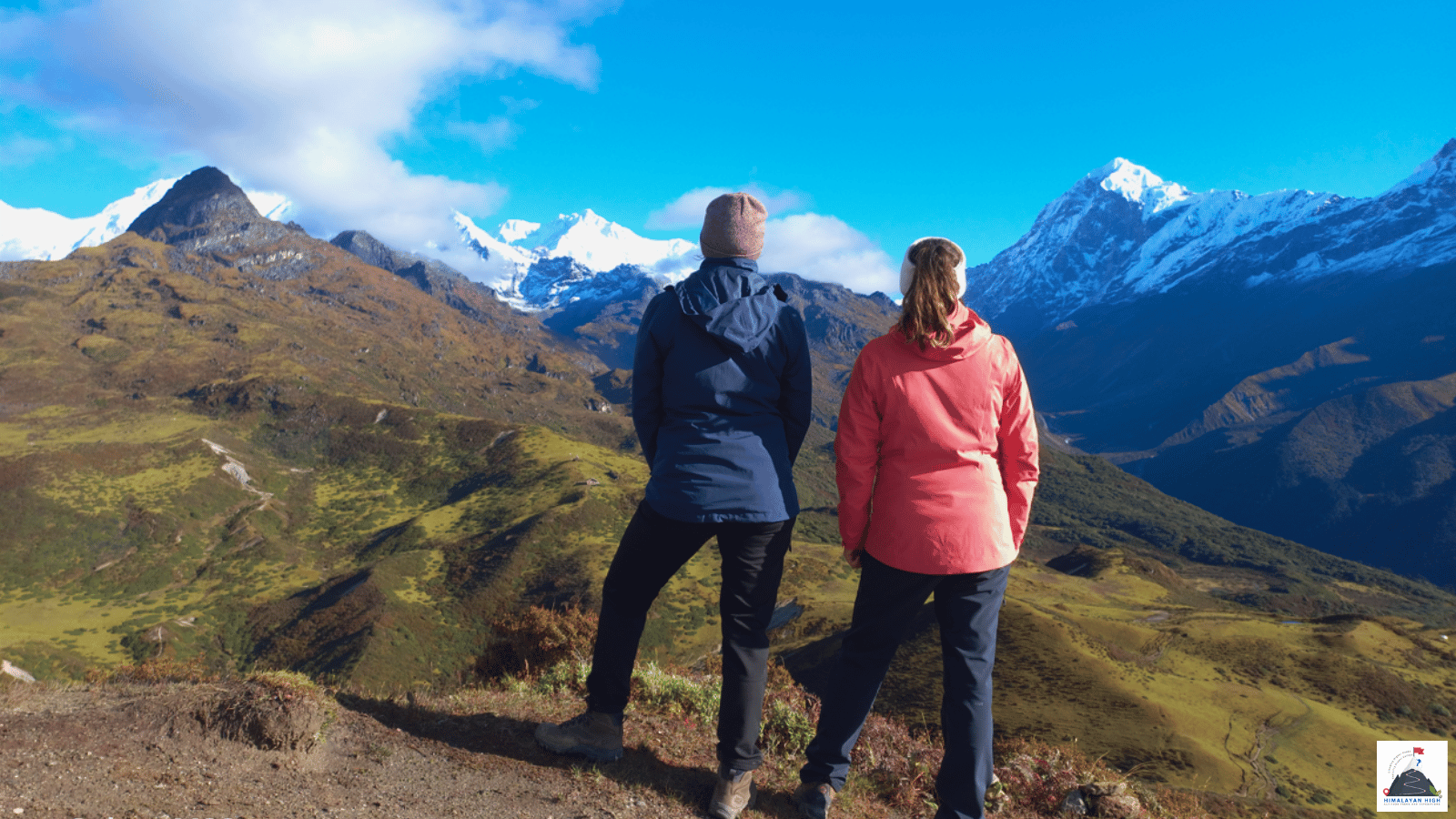
Gangtok, Sikkim's capital at about 1,650 m, lies about 114 km up NH10 from Siliguri. Allow 4 to 5 hours from Bagdogra or NJP; foreign nationals need a Sikkim Restricted Area Permit approved online in advance.
Region: Darjeeling Sikkim
Route hubs: Siliguri - Sevoke - Teesta Bazaar - Melli - Rangpo - Singtam - Ranipool - Gangtok
Nearest airport
Bagdogra Airport, Siliguri (West Bengal) (IXB)
125.00 km • About 4 hr
Nearest railhead
New Jalpaiguri Junction, Siliguri (West Bengal) (NJP)
124.00 km • About 4 hr
From the airport
Bagdogra Airport (IXB), about 12 km south-west of central Siliguri, is the airport for Gangtok, with direct flights from Delhi, Kolkata, Mumbai, Bengaluru, Chennai, Hyderabad, Guwahati and other cities. The prepaid taxi counter by the arrivals exit books cars to Gangtok, about 125 km and 4 to 5 hours away. There are no shared jeeps at the airport, so on a budget take a taxi into Siliguri (20 to 30 minutes) and continue by shared jeep or SNT bus. Choose a flight that lands by early afternoon so you reach Gangtok before dark. STDC also flies a helicopter from Bagdogra to the Burtuk helipad, about 4 km from central Gangtok, in about 35 minutes; it depends on the weather, the free baggage allowance is small and the service has been suspended at times, so check with STDC first. Pakyong Airport (PYG), about 30 km south of Gangtok, has had no scheduled flights since June 2024.
From the railway station
New Jalpaiguri Junction (NJP) in Siliguri is the railhead, with direct trains from Delhi, Kolkata, Guwahati and many other cities. Siliguri Junction (SGUJ), on Hill Cart Road beside the bus terminals, has fewer trains, some from Kolkata and Delhi. At NJP a prepaid taxi counter opposite the main entrance, open from about 7 am through the day, books cars to Gangtok, about 124 km and 4 to 5 hours away. Shared jeeps (Sumos and similar, ten passengers, luggage on the roof) wait outside the station from about 7 am until 3 pm and leave when full. Otherwise take an auto-rickshaw or taxi into Siliguri (20 to 30 minutes) to the SNT bus terminal or the shared-jeep stand opposite the Tenzing Norgay Bus Terminus. There is no railway into Sikkim yet: the Sevoke to Rangpo line is under construction, with a December 2027 target.
By road
Gangtok is reached from the plains of North Bengal by National Highway 10 (NH10), about 114 km from Siliguri. The road runs flat to Sevoke (about 20 km), passes the Coronation Bridge and follows the Teesta gorge upstream for about 30 km to Teesta Bazaar, where it crosses the river. It continues past Melli to Rangpo (about 25 km more), the Sikkim border town and check post. Beyond Rangpo the highway stays low along the Teesta through Singtam (about 11 km) to Ranipool (another 16 to 18 km), then climbs steeply for the last 12 km to Gangtok at about 1,650 m. From Bagdogra or New Jalpaiguri allow 4 to 5 hours for the 120 to 125 km. From Darjeeling (about 98 km, via Ghoom and the Peshok road) or Kalimpong (about 75 to 80 km) you join NH10 at Teesta Bazaar.
NH10 is Sikkim's main link and its weak point: landslides close stretches between Sevoke and Rangpo and on the Sikkim side for hours or days, mostly from June to September. In 2026 repeated slides at 20th Mile near Bardang, between Rangpo and Singtam, disrupted traffic from June to late September. When NH10 is shut, drivers take the much longer hill road through Lava, Pedong, Rhenock and Pakyong (NH717A). There is no high pass on the way, so winter snow is rarely a problem on this road.
By bus
Sikkim Nationalised Transport (SNT), the Sikkim government's bus service, runs buses to Gangtok from its Siliguri terminal on Hill Cart Road, beside the Tenzing Norgay Bus Terminus and Siliguri Junction station. The Sikkim Transport Department's current timetable lists seven Gangtok departures a day between 8 am and 3 pm, four ordinary and three air-conditioned, and SNT gives about 4.5 hours for the 114 km; allow longer in heavy traffic or rain. From Gangtok, SNT buses for Siliguri leave the Paljor Stadium Road bus station from about 6 am until early afternoon, and a morning bus runs to Kalimpong. SNT marks its published schedule as tentative, so check times and buy your seat at the counter a day ahead in busy seasons. Shared jeeps to Gangtok also leave from the stand opposite the Tenzing Norgay Bus Terminus in Siliguri, from the Chowk Bazaar and Gandhi Road stands in Darjeeling, and from Kalimpong.
Local transfers
Shared jeeps from Siliguri and NJP end at the Deorali (Mainline) taxi stand on NH10, about 2 km below MG Marg. SNT has a bus stand at Deorali and its main bus station on Paljor Stadium Road, a short walk from MG Marg. From either, a local taxi takes you to your hotel. West Bengal taxis have been allowed to drop at Gangtok hotels since July 2022, but confirm this when booking, as some still stop at Deorali.
Distances from major points
- Bagdogra Airport to Siliguri: about 12 to 15 km
- New Jalpaiguri (NJP) to Siliguri: about 8 to 9 km
- Siliguri to Sevoke: about 20 km
- Sevoke to Teesta Bazaar: about 30 km
- Teesta Bazaar to Rangpo via Melli: about 25 km
- Rangpo to Singtam: about 11 km
- Singtam to Ranipool: about 16 to 18 km
- Ranipool to Gangtok: about 11 to 12 km
- Siliguri to Gangtok: about 114 km
- Bagdogra Airport to Gangtok: about 125 km
- NJP to Gangtok: about 120 to 125 km
- Pakyong Airport to Gangtok: about 30 km
- Kalimpong to Gangtok: about 75 to 80 km
- Darjeeling to Gangtok via Peshok and Teesta Bazaar: about 95 to 100 km
- Gangtok to Lachen: about 115 to 125 km
Good to know
Gangtok, the capital of Sikkim, is the base for Rumtek and Enchey monasteries and for trips to Tsomgo Lake, Nathu La and North Sikkim. Most hotels are a short taxi ride from MG Marg, the town centre. If you land late at Bagdogra, spend the night in Siliguri rather than driving NH10 in the dark. Gangtok has branches of State Bank of India, State Bank of Sikkim, Axis, HDFC, ICICI and other banks, so draw the cash you need here before heading into the remote valleys.
Indian citizens need no permit for Gangtok itself, but Tsomgo Lake, Nathu La, Lachen, Lachung and the Green Lake route are protected areas. Permits for them are arranged through a registered Sikkim tour operator and need passport-size photographs and photo ID such as a passport, voter ID or driving licence; send your documents ahead so the permit is ready when you arrive, or allow a day in Gangtok for it. Foreign nationals need a Sikkim Restricted Area Permit even for Gangtok; since January 2026 it is issued only online, through the e-FRRO portal, and must be approved before you reach the Sikkim border, as it is no longer issued at the Rangpo check post. Nathu La and some other border areas remain closed to foreigners. Sikkim was revising its permit system during 2026, so confirm the current process before you travel.
Safety
Keep at least one spare day between reaching Gangtok and any onward flight, trek start or permit date, especially from June to September, when landslides can shut NH10 for days and traffic between Sevoke and Rangpo is sometimes halted during heavy rain. Gangtok is often in fog in the monsoon and in winter, so allow extra time on the hill roads. At about 1,650 m Gangtok is not high enough to trouble most people, but go up gradually to Lachen (about 2,750 m) and beyond. Ask your hotel or driver about the day's road status before setting out.
Travel tips
- Plan buffer time for road delays, especially in monsoon and winter.
- Start early for long drives to avoid night stretches on mountain roads.
- Keep offline maps and cash as backup in low-network zones.
- If you are continuing to high altitude areas, acclimatize and hydrate well.