How to reach Pelling
Pelling, a ridge-top town at about 2,000 m in West Sikkim, is about 135 km from Siliguri. Indian citizens need no permit; foreign nationals need a Sikkim Restricted Area Permit approved online before reaching Melli.
Region: Darjeeling Sikkim
Route hubs: Siliguri - Sevoke - Melli - Jorethang - Legship - Gyalshing - Pelling
Nearest airport
Bagdogra Airport, Siliguri (West Bengal) (IXB)
145.00 km • About 5.5 hr
Nearest railhead
New Jalpaiguri Junction, Siliguri (West Bengal) (NJP)
140.00 km • About 5.5 hr
From the airport
Bagdogra Airport (IXB), 12 to 14 km south-west of central Siliguri, is the airport for Pelling, with flights from Delhi, Kolkata and other major Indian cities. Taxis at the airport can take you straight to Pelling, about 140 to 150 km and 5 to 6 hours away. There is no direct bus or shared jeep from the airport itself: on a budget, walk about five minutes out to the main road and take a bus or auto to Siliguri (20 to 30 minutes), asking for the SNT bus stand, where shared jeeps and SNT buses leave for West Sikkim. Choose a flight that lands by late morning so you reach Pelling before dark; otherwise spend the night in Siliguri. Pakyong Airport near Gangtok has had no scheduled passenger flights since at least mid-2024, so check before relying on it; even from there Pelling is about 125 km by road.
From the railway station
New Jalpaiguri Junction (NJP) in Siliguri is the railhead, with direct trains from Kolkata, Delhi, Guwahati and many other cities. The prepaid taxi booth is opposite the main entrance, and a reserved car to Pelling covers about 135 to 145 km in 5 to 6 hours. For shared transport, go 20 to 30 minutes into Siliguri to the Sikkim taxi stand beside the SNT bus terminal on Hill Cart Road, where shared jeeps leave for Jorethang (2.5 to 3 hours) until about 3 pm; change there for Gyalshing or Pelling. Only one or two direct shared jeeps a day run from Siliguri to Pelling, so aim to leave Siliguri by late morning. The Sevoke to Rangpo railway, with a station at Melli, is still under construction; the Railway Ministry's target is December 2027.
By road
The usual route follows NH10 up the Teesta valley from Siliguri through Sevoke and Teesta Bazaar to Melli, where you cross into Sikkim, then turns west along the Rangit river to Jorethang: about 83 km and 2.5 to 3.5 hours. From Jorethang the road follows the Rangit upstream to Legship, climbs to Gyalshing, the district headquarters, and covers the last 10 km past Pemayangtse Monastery to Pelling. Jorethang to Pelling is about 45 to 50 km and 2 to 2.5 hours, so from Siliguri, New Jalpaiguri or Bagdogra plan on 5 to 6 hours in all.
From Gangtok the road runs down NH10 to Singtam and then west over Ravangla to Legship, about 115 to 130 km and 4 to 6 hours. From Darjeeling the road drops to Jorethang in about 1.5 hours and continues as above, roughly 70 to 75 km in all.
The weak point is NH10 along the Teesta between Sevoke and Melli, where landslides can close the road for hours or days, most often from June to September; it was blocked at Sevoke again in June 2026. When it is shut, traffic for West Sikkim can go round through Darjeeling to Jorethang, which usually adds an hour or two. There is no high pass on the route, so winter does not close it, though occasional snow at Pelling can slow the final climb.
By bus
Sikkim Nationalised Transport (SNT), the state government bus service, runs an ordinary bus from its Siliguri terminal on Hill Cart Road to Pelling via Jorethang and Gyalshing, leaving at about 10.30 am and taking around 6 hours; the return bus leaves Pelling at about 7 to 7.30 am. The Sikkim Transport Department's timetable also lists buses to Jorethang at about 10.30 am and 1.30 pm (3.5 to 4 hours), from where you continue by shared jeep. From Gangtok, shared jeeps for Pelling leave the West Sikkim stand near the Police Headquarters, close to MG Marg, in the early morning and again around midday, and return from Upper Pelling at about 7 am and noon; stands in Gangtok do move, so ask your hotel. Timings change, so confirm times and book a seat at the SNT counter a day ahead.
Local transfers
Gyalshing is the West Sikkim transport hub. At Jorethang's multi-level taxi stand, shared jeeps leave for Gyalshing through the day until about 3 pm, while only three or four a day go direct to Pelling, mostly between 11 am and 1 pm. From Gyalshing, shared jeeps and taxis cover the last 10 km to Pelling in about 30 minutes and keep running into the afternoon. In Pelling the jeeps stop at the crossing in Upper Pelling; most hotels lie along the 2 km between Upper, Middle and Lower Pelling, so tell the driver which. The Goecha La and Dzongri treks start walking from Yuksom, about 35 km and 2 hours beyond Pelling.
Distances from major points
- Bagdogra Airport to Siliguri: about 12 to 14 km
- Siliguri to Jorethang via Sevoke and Melli: about 83 km
- Jorethang to Pelling via Legship and Gyalshing: about 45 to 50 km
- Gyalshing to Pelling: about 10 km
- Siliguri to Pelling: about 135 km
- Bagdogra Airport to Pelling: about 140 to 150 km
- New Jalpaiguri (NJP) to Pelling: about 135 to 145 km
- Gangtok to Pelling via Singtam, Ravangla and Legship: about 115 to 130 km
- Darjeeling to Pelling via Jorethang: about 70 to 75 km
- Pelling to Yuksom: about 35 km
Good to know
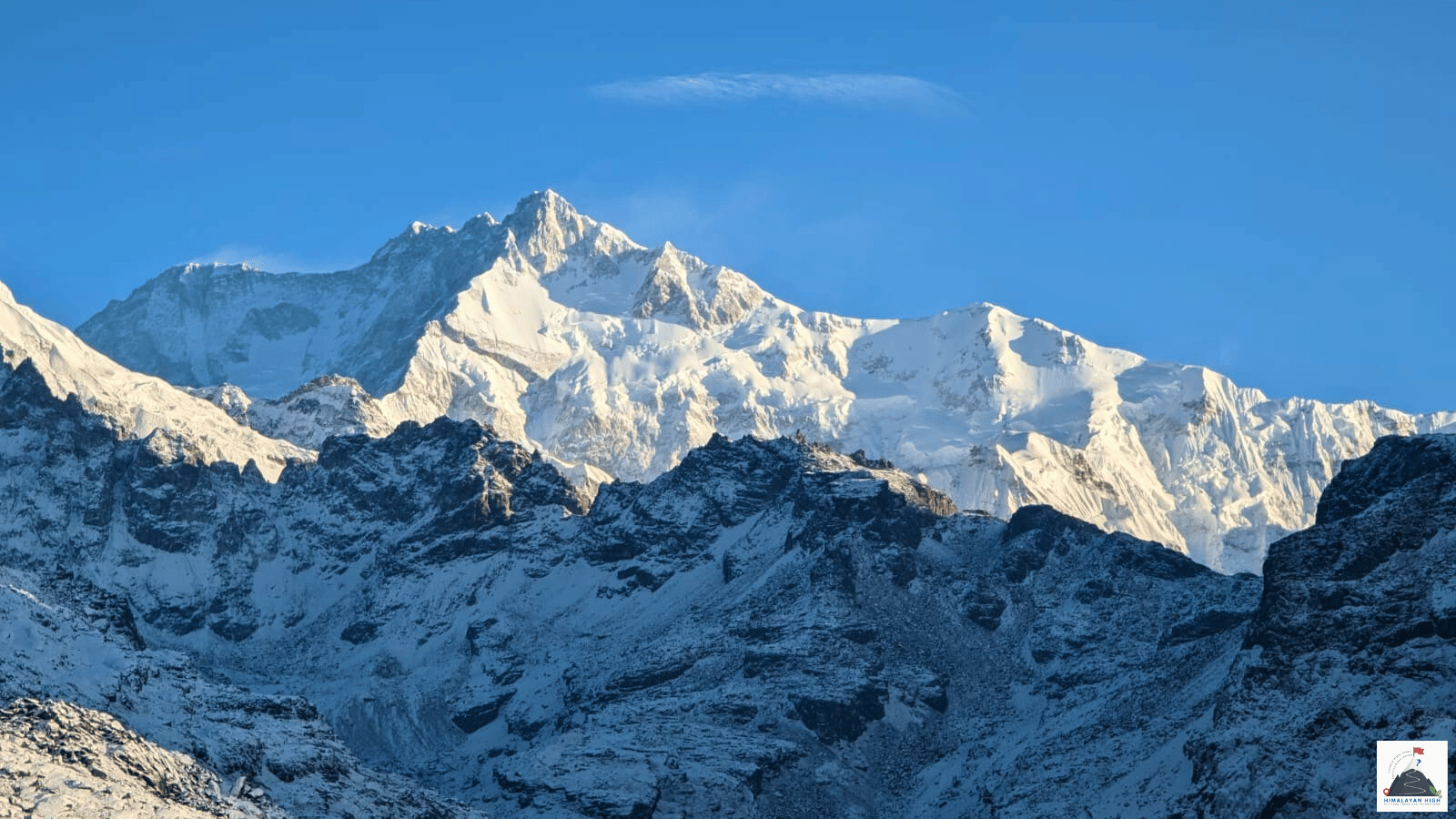
Pelling is a ridge-top town at about 2,000 m in Sikkim's Gyalshing (West) district, known for close views of Kangchenjunga, with Pemayangtse Monastery and the Rabdentse ruins close by. Most hotels line the 2 km of road between Upper, Middle and Lower Pelling; those in Upper Pelling generally have the best mountain views. Pelling has a State Bank of India branch and ATM, but the ATM can run short of cash, so bring enough from Siliguri or Gangtok. Gyalshing, 10 km away, has several more banks and the district hospital.
Indian citizens need no permit for Pelling. Foreign nationals need a Sikkim Restricted Area Permit, which since January 2026 is issued only online, through the e-FRRO portal, and must be approved before you reach the Melli check post; carry your passport and visa. Treks from Yuksom into Khangchendzonga National Park, such as Dzongri and Goecha La, need trekking permits: the tourist office in Pelling is one of the two offices, with Gangtok, that issue Dzongri permits, and foreign trekkers must apply through a registered Sikkim travel agency.
Safety
Allow a full day for the journey from Siliguri or Gangtok, start early and avoid the last climb from Legship after dark. From June to September landslides on NH10 and on the roads above Jorethang can hold traffic for hours and sometimes days, so keep a spare day before an onward flight or a trek start. Nights are cold from December to February and snow occasionally falls. At about 2,000 m, altitude is not a concern for most people. Ask your driver or hotel about the day's road status before setting off.
Travel tips
- Plan buffer time for road delays, especially in monsoon and winter.
- Start early for long drives to avoid night stretches on mountain roads.
- Keep offline maps and cash as backup in low-network zones.
- If you are continuing to high altitude areas, acclimatize and hydrate well.