How to reach Tashiding
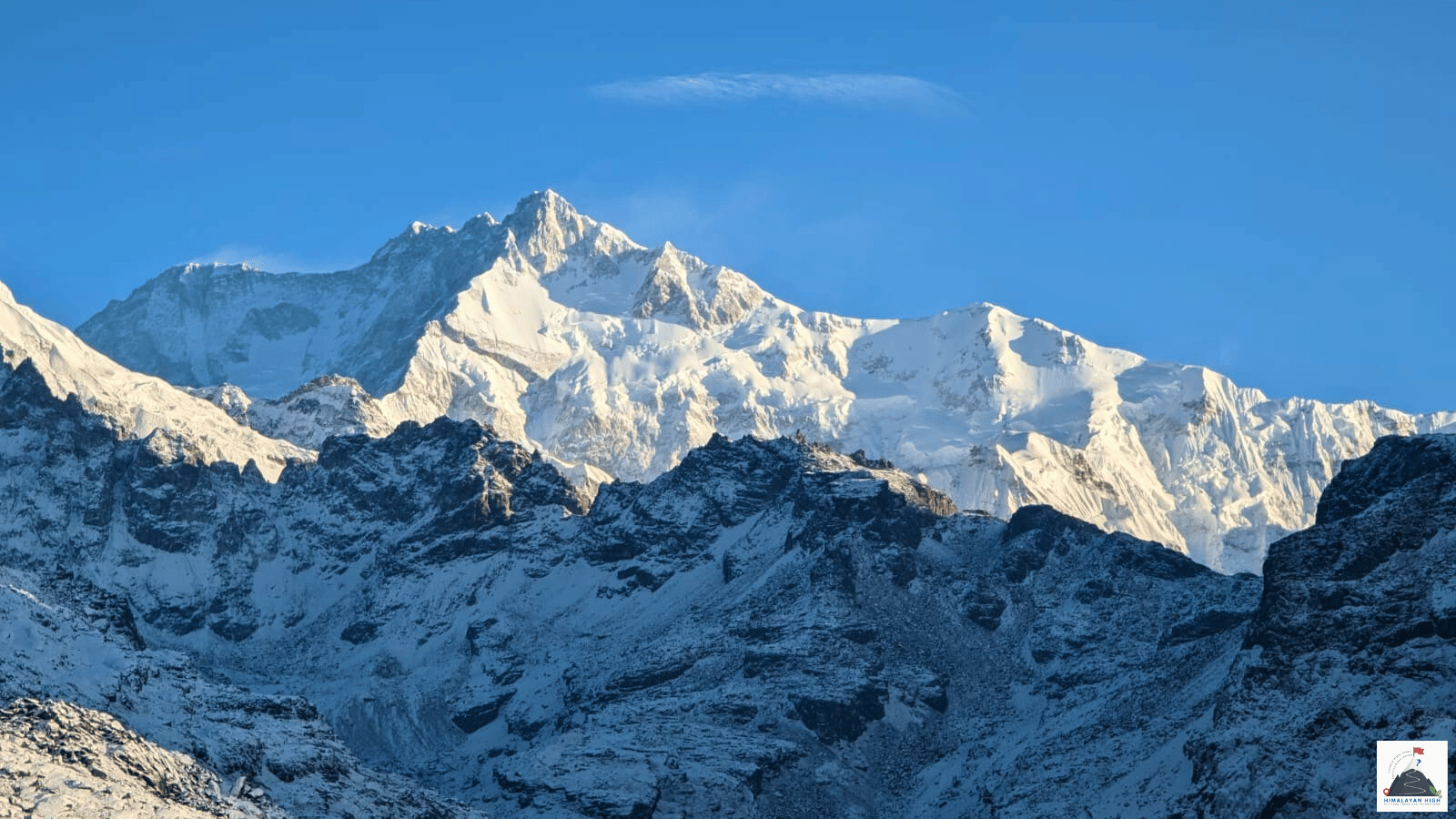
Tashiding sits on a hilltop in Sikkim's Gyalshing district, about 125 km from Siliguri. The road runs via Jorethang and Legship, and foreign nationals need a Sikkim Restricted Area Permit before the Melli check post.
Region: Darjeeling Sikkim
Route hubs: Siliguri - Sevoke - Melli - Jorethang - Legship - Tashiding
Best months: Jan Feb Mar Apr May Aug Sep Oct Nov Dec
Nearest airport
Bagdogra Airport, Siliguri (IXB)
140.00 km • About 6 hr
Nearest railhead
New Jalpaiguri Junction, Siliguri (NJP)
130.00 km • About 5.5 hr
From the airport
Bagdogra Airport (IXB), 12 km south-west of Siliguri, is the usual airport for Sikkim, with flights from Delhi, Kolkata, Mumbai, Bengaluru and other cities. Tashiding is about 140 km away by road. Allow 5.5 to 6.5 hours by car (6 to 7 hours to Yuksom, about 20 km further on), so pick a flight that lands by late morning if you want to arrive in daylight.
A taxi booked in advance can meet you at the terminal and drive straight through. There are no shared jeeps from the airport itself: walk out to the highway (about five minutes), cross it and take a bus or shared vehicle to Siliguri, 20 to 30 minutes away, asking to be dropped at the SNT bus stand, where the shared jeeps for Sikkim leave. Pakyong Airport near Gangtok had no scheduled passenger flights in 2025-26, so check before relying on it.
From the railway station
New Jalpaiguri Junction (NJP), on the south-eastern edge of Siliguri, is the railhead, with trains from Kolkata, Delhi, Guwahati and many other cities. Tashiding is about 130 km away, 5 to 6 hours by car.
Pre-booked taxis meet trains at NJP and drive straight up. Shared jeeps for Sikkim do not leave from the station: take a taxi or auto about 8 km (20 to 30 minutes in traffic) to the Sikkim taxi stand beside the SNT bus stand on Hill Cart Road and carry on from there. A morning arrival gives you the best chance of reaching Tashiding the same day; if your train gets in after midday, spend the night in Siliguri rather than arrive late. The new Sevoke to Rangpo railway, with a station at Melli, is still being built; its current completion target is December 2027.
By road
Tashiding sits on a hilltop above the confluence of the Rathong Chu and the Rangit in Gyalshing (formerly West Sikkim) district, on the Legship to Yuksom road. Most people come from Siliguri via Jorethang:
- Siliguri to Melli: about 58 km on NH10 through Sevoke and up the Teesta valley; 1.5 to 2 hours. You enter Sikkim at the Melli check post.
- Melli to Jorethang: about 25 km up the Rangit; 45 minutes to an hour.
- Jorethang to Legship: about 25 km past Reshi; 1 to 1.5 hours.
- Legship to Tashiding: about 15 km, narrower and climbing; 30 to 45 minutes.
Siliguri to Tashiding is about 125 km, 4.5 to 5.5 hours with a short stop. From Gangtok the road runs via Singtam, Ravangla and Legship (about 110 km to Tashiding, 4 to 5 hours); from Darjeeling it drops to Jorethang in about 1.5 hours. NH10 along the Teesta is the weak link, prone to landslides and badly damaged in the October 2023 flood; when it is shut, drivers go round through Darjeeling, usually adding one to two hours. The Siliguri route crosses no high pass, so winter does not close it. Foreign nationals need a Sikkim Restricted Area Permit, which since January 2026 is issued only online, through the e-FRRO portal, and must be approved before you reach the Melli check post; Indians need no permit.
By bus
Shared jeeps are the main way up, with a few SNT buses. From the Sikkim taxi stand by the SNT bus stand in Siliguri, jeeps to Jorethang run through the day and take 2.5 to 3 hours. Only one shared jeep a day goes direct to Yuksom, usually leaving at about 11 am; ask whether it runs via Tashiding and can drop you there.
- From Jorethang: jeeps run to Tashiding in about 2 hours, and the shared jeeps to Yuksom, which go via Tashiding, have left at about 1 pm. After about 3 pm onward jeeps are scarce; go on to Legship and wait there for one heading up.
- From Darjeeling: shared jeeps run down to Jorethang in about 1.5 hours; change there.
- From Gangtok: SNT buses for Tashiding, Yuksom and Pelling have left the SNT bus stand at about 7 am and 12:30 pm; allow 4 to 5 hours via Ravangla and Legship.
- Coming back: jeeps from Yuksom down to Jorethang and Siliguri run mostly early in the morning, from about 5:30 am; ask in the bazaar the evening before whether one will stop for you.
Start early, expect timings to change at short notice and allow extra travel time. If you are prone to motion sickness, take medication before setting off on these hill roads.
Local transfers
Shared jeeps set you down in Tashiding bazaar, the small market on the hilltop. The monastery is roughly 3 km on by road; on foot, the old path from the market heads south on a gentle slope past a mani wall and prayer wheels to the monastery gate. Yuksom, where the Goecha La and Dzongri treks begin, is about 20 km further along the same road, 45 minutes to an hour by car. Carry enough cash, as ATMs may be limited, and expect patchy mobile signal.
Distances from major points
- Siliguri to Tashiding: 125 km
- Gangtok to Tashiding: 110 km
- Darjeeling to Tashiding: 75 km
- Kalimpong to Tashiding: 90 km
- Bagdogra to Tashiding: 140 km
Safety
Keep a spare day in hand before a trek. From June to September landslides often block NH10 along the Teesta and the roads beside the Rangit, sometimes for a day or more; October to May is usually more reliable. The roads here are poorly lit, so avoid driving after dark. At the Bumchu festival (the 14th and 15th days of the first Tibetan month, usually February or March) pilgrims from across Sikkim come to the monastery and shared jeeps fill up, so book early. Check road status with your driver or hotel on the morning you travel.
Travel tips
- Plan buffer time for road delays, especially in monsoon and winter.
- Start early for long drives to avoid night stretches on mountain roads.
- Keep offline maps and cash as backup in low-network zones.
- If you are continuing to high altitude areas, acclimatize and hydrate well.
Sunday, November 1, 2026 12:19:04 AM
Every day I keep learning new things, but as of now, I think I can describe myself as a Loyal Himalayan Lover, Avid Trekker, Student Of Mountaineering, Amateur Photographer and an Enthusiastic Anthropologist. I am a Computer Science Engineer by education and previously worked as a Software Developer for premium IT companies. However, I quit the luxury of a high-earning corporate job and left behind the herd to walk towards the spiritual path laid down by the Godly Himalayas. At the age of 27 with no savings at all and being the only son from a lower-middle-class family, it was too young to fight against the family who in turn had to fight against the rules laid down by society. However, with my determination and perseverance, everything became smooth by passing time.
It wasn't easy for me as I learnt the hard way from mistakes - my own and by observing others. I fought 2 major road accidents that broke my right tibia and femur. I underwent 7 surgeries that kept me away from the mountains, but I patiently fought them all to get back to trekking again in the Himalayas with rods and plates in my bones. Despite doctors saying I cannot walk properly ever again to getting back to trekking on the difficult routes again, Life made me understand very clearly what it wants out of me in this World. It wants me to serve the Himalayas and its community, live a peaceful, content and simple life. That's what I have dedicated my this life to. I am not religious, but spiritual. The Himalayas define my road.
The Himalayas today is spammed by mushrooming trek agencies and big companies who take pride in being India's Largest, biggest, oldest, etc. They are exploiting everything for the sake of profit. It is in dire need of regulation by credible Government authorities, Sustainable Tourism Practices needs to be forced upon every organisation, Small Group Sizes needs to be mandated, Fixed camping should be restricted in alpine zones and Negative Ecological Impact Trekking Protocols should be laid down immediately by governing bodies. With all these objectives, I founded Himalayan High in the year 2015. Learn more about Himalayan High on About Himalayan High
© 2026 Himalayan High Altitude Treks And Expeditions Pvt. Ltd. All rights reserved.
Original content, itineraries, and media are proprietary and protected by applicable copyright laws.